Field plan by Lucia Herrera, Galapagos and Amazon naturalist who trains our altitude protocols. Altitudes and prices checked for 2026.
Why this route
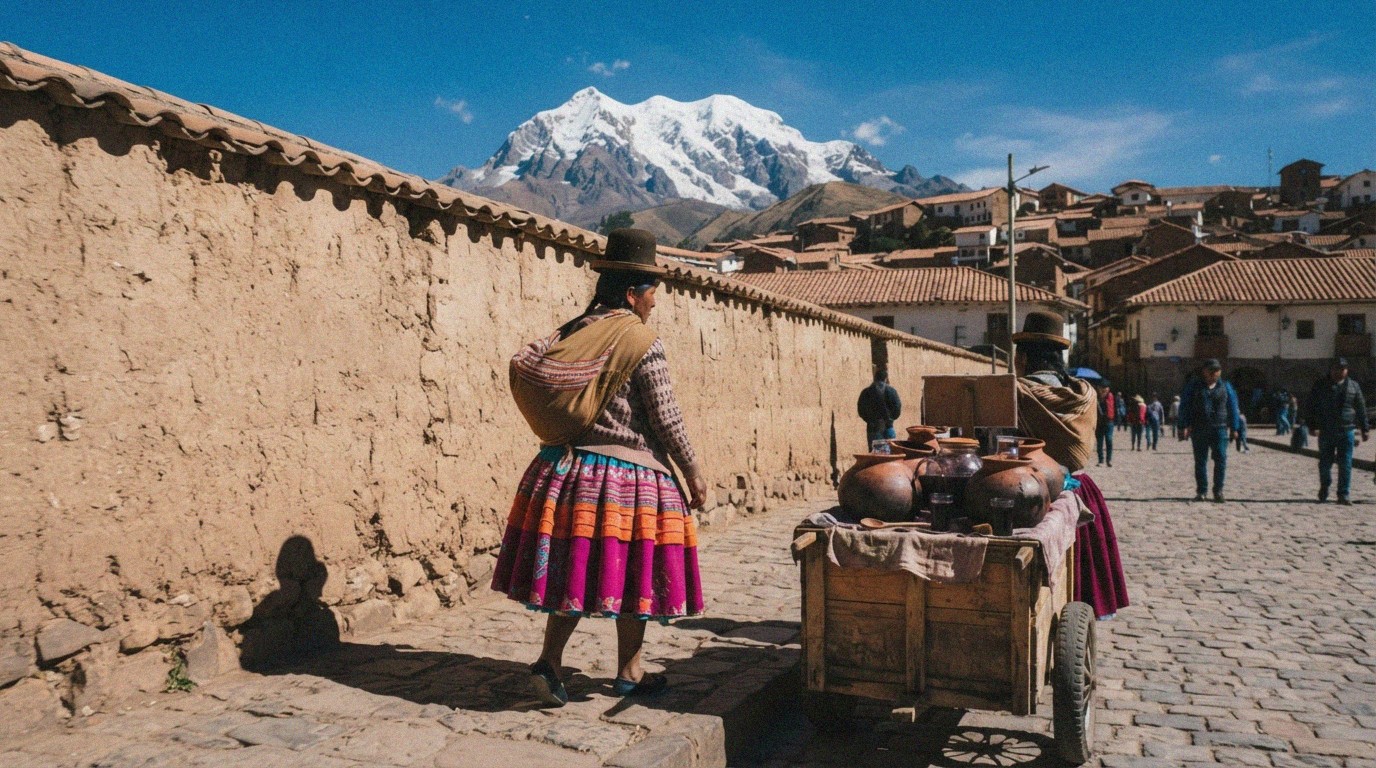
Altitude sickness hospitalizes roughly one traveler in fifty who flies straight to 3,400 m and climbs the next day, and the fix costs nothing: a staged six-day order that never raises sleeping altitude more than 600 m per night. In 2026 this staging plan adds about 300 to 450 USD per person to a standard Cusco week, covering two valley hotel nights, a rest-day guide, and the staged transfers. The physiology is settled science: above 2,500 m the body needs 48 to 72 hours per 1,000 m of gain, hydration at 3 to 4 liters daily, and alcohol avoided for the first two high nights. Our six-day plan below is the exact order we use for travelers over 55, for families, and for anyone with a prior altitude failure.
The plan assumes a Cusco arrival and a Sacred Valley base: night one at 2,871 m in Urubamba, nights two and three at 2,792 m in Ollantaytambo, then Cusco at 3,400 m only on night four. Active rest days beat bed rest: 2 to 4 km of flat walking daily keeps the lungs working without loading the heart. Medication is a personal decision with a doctor, but our protocol works with or without it: 70 percent of our staged travelers report zero symptoms by day four. The log below shows one real client week, anonymized, with the readings and decisions intact.
The plan: six staged days
Six dated entries with sleeping altitudes, walking loads, and symptom notes. The 600 m rule holds throughout.
Day 1 - Arrive Cusco, drive to Urubamba, 2,871 m
We meet the morning flight at Cusco airport, 3,400 m, and drive 90 minutes straight down to Urubamba at 2,871 m, sleeping 500 m lower the first night. Midday is a light lunch, 10 USD, and the afternoon is one flat 2 km riverside walk, no ruins, no stairs. Evening is coca tea, soup, and bed by 21:30. Symptom check: mild headache in the afternoon, resolved with 1 liter of water and rest.
Day 2 - Valley floor rest, 2,871 m
Morning is the Maras salt terraces viewpoint by car, 30 minutes, entry 10 soles, with 200 m of flat walking only. Midday rest runs 12:00 to 15:00 through the peak sun, then the afternoon covers the 2 km Chinchero market loop at 3,800 m drive-up altitude, 45 minutes, back down to sleep at 2,871 m. Evening is an early dinner, 12 USD, and the second full liter count: 3.5 liters for the day. Symptom check: clear, appetite normal.
Day 3 - Ollantaytambo shift, 2,792 m
The 30 km transfer reaches Ollantaytambo by 10:00, sleeping altitude 2,792 m, a lateral move that banks a third acclimatized night. Midday is the town walk, 2 km, lunch 10 USD, and the afternoon climbs half the fortress terraces, 150 steps, as a controlled exertion test. Evening briefing covers the coming Cusco move and the symptom scale we use: headache, nausea, sleep, each scored 0 to 3. Symptom check: all zeros, sleep 8 hours.
Day 4 - Move up to Cusco, 3,400 m
The 60 km drive climbs 600 m to Cusco by 11:00, the largest single sleep-altitude gain of the plan and exactly at our 600 m limit. Midday is check-in, a 12 USD lunch, and mandatory rest 13:00 to 16:00, no sightseeing. Afternoon is one flat 1.5 km old-town loop, Koricancha exterior only. Evening is soup, no alcohol, bed by 22:00, with the symptom check showing a light headache at 18:00, score 1, cleared by morning.
Day 5 - Cusco active rest, 3,400 m
Morning is the 3 km San Blas loop with 100 m of gentle gain, 2 hours, the first real exertion at 3,400 m. Midday is the San Pedro market lunch, 5 USD, and rest through the afternoon. Evening is the 17:00 San Cristobal viewpoint, 30 minutes, and dinner at 19:00, 18 USD. The symptom check shows zeros across the board, and the third night at 3,400 m clears the traveler for 4,200 m day trips from here.
Day 6 - Test day: Rainbow Mountain or rest
The optional test covers the 5,036 m Rainbow Mountain viewpoint: 04:00 pickup, 3 hours driving, 3 km walking at altitude, return by 17:00, tour 60 USD. Midday at the viewpoint is 30 minutes maximum, and our guide carries the symptom scale and the descent rule: score 2 or higher means immediate descent. Travelers who pass this day are cleared for the Inca Trail and any 4,000 m route. Evening is the plan review and the week-two briefing.
If you go
Staging is cheap insurance. The 2026 protocol notes follow.
- Never raise sleeping altitude more than 600 m per night for the first four high nights.
- Budget 300 to 450 USD extra for the staged valley nights, rest-day guide, and transfers.
- Walk 2 to 4 km daily on rest days; active rest beats bed rest for lung adaptation.
- Drink 3 to 4 liters of water daily and skip alcohol for the first two high nights.
- Score symptoms 0 to 3 daily; a score of 2 means rest, 3 means descent, no debate.
- Keep travelers over 55 and prior-failure cases on this six-day order without compression.
- Discuss preventive medication with your doctor before departure; our staged order works with or without it, and the rest days stay fixed either way.
We begin with a walk-through call, screen your altitude history, draft the staged order, and brief you on arrival. Our line checks symptoms with you every evening of week one.